What Exactly Is a Premixed Drink in a Can?
Canned Cocktails Worth Ditching Your Home Bar For
After a long day, when you want to unwind but don’t feel like measuring spirits or shaking a shaker, you simply reach into the fridge and grab a chilled cocktail in a can. It’s a ready-to-drink mix of your favorite spirits and mixers, already proportioned and carbonated, so you get a perfectly balanced drink every time without any prep or cleanup. Just pour it over ice or sip it straight from the can, and you have a consistent, refreshing experience that feels effortless. This convenience is the true gift of cocktails in a can—letting you enjoy a quality drink exactly when you need it, with zero fuss.
What Exactly Is a Premixed Drink in a Can?

A premixed drink in a can is essentially a **ready-to-drink cocktail** where the spirits, mixers, and flavorings are already combined and sealed for immediate consumption. Unlike a DIY cocktail kit, these cans eliminate guesswork—you get a perfectly balanced ratio of alcohol to soda, juice, or bitters, often carbonated for texture. The key difference from a hard seltzer is that a premixed can replicates a specific cocktail recipe, like a Negroni or Margarita, with the base spirit (vodka, gin, tequila) already blended. Many versions use a higher-proof spirit to prevent ice dilution, but they’re still meant to be served chilled, not over ice. You simply crack, pour (or sip), and enjoy—no shaker, strainer, or measuring needed. The result is a consistent, portable, and refreshing drink that mimics bar-quality flavor in a single, grab-and-go format.
How Canned Cocktails Differ From Regular Beer or Hard Seltzer
Canned cocktails differ fundamentally from beer or hard seltzer in their base structure, relying on distilled spirits rather than fermented malt or sugar. This means their alcohol-by-volume typically lands higher, often between 10% and 15%, versus the 4% to 7% range of beer or seltzer. Consequently, the flavor profile is more complex and layered, as spirits bring botanical or woody notes that require balancing with sweeteners, bitters, or citrus. Hard seltzers stay neutral and light, while beer carries grain or hop character; a canned cocktail instead mimics a bartender’s recipe, demanding a shorter drinking window and often benefiting from ice. The mouthfeel is also denser, and carbonation is usually gentler, yielding a sipping experience closer to a bar pour than a casual refresher. Ultimately, the distilled-spirit base changes everything—from potency to taste to how you pace yourself.
The Alcohol Percentage You Can Expect and Why It Matters
Canned cocktails usually land between **5% and 15% ABV**, depending on whether they’re malt-based (like beer, around 5–7%) or spirit-based (like vodka or rum, often 10–15%). That range matters because it’s way easier to misjudge your buzz than with a standard pour—you might sip a 12% can thinking it’s a light beer. Always check the side label, not the brand name, since “premium” doesn’t mean stronger. Knowing the percentage helps you pace yourself, avoid a surprise hangover, and match the can to the occasion—a session-friendly 5% for a picnic, a punchy 14% for a slow evening.
- A 5–7% malt-based can drinks like beer, so don’t expect a cocktail buzz from one.
- Spirit-based cans at 12–15% equal roughly two standard shots—sip slower.
- Ice dilution is already factored in, so you’re getting the full listed ABV per can.
Real Juice, Real Spirits, or Artificial Mixers—What’s Inside?
What’s actually in that can comes down to a few key picks. You’ll see real juice and real spirits in premium options—think cold-pressed lime or single-barrel bourbon—which give a fresh, authentic bite. But many budget-friendly cans lean on artificial mixers: high-fructose corn syrup, citric acid, and “natural flavors” that mask a thin base. Check the label for juice percentage (often 5% or less) and spirit proof; if it lists “vodka with natural flavors” but no juice, you’re likely sipping a chemical cocktail.
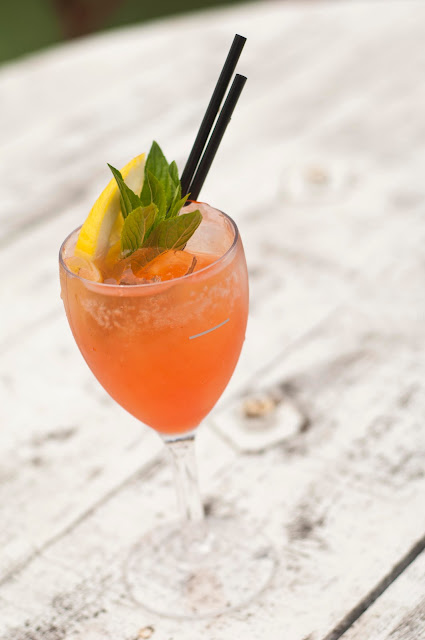
- Real juice adds tartness and body, but it also means a shorter shelf life—so check the canned date.
- Artificial mixers often spike sweetness to hide lower-quality alcohol or less spirit inside.
- Real spirits (like real gin or tequila) are usually paired with simpler, cleaner flavor profiles.
Why Choose a Ready-to-Drink Cocktail Over Mixing Your Own?
Choosing a canned cocktail over mixing your own comes down to precision and convenience. A can delivers a perfectly balanced drink every time—you skip the risk of over-diluting with ice or mis-measuring a bitter splash of vermouth. It also eliminates the need to buy five bottles for one recipe, saving fridge space and last-minute shopping. Your personal setup simply cannot replicate the carbonation control and consistent chill of a professionally formulated can. Where home mixes often suffer from warm ingredients or melted dilution, a can stays at the ideal serving temperature until the final sip. Are they better than fresh? Yes, for portability and zero-cleanup enjoyment, especially at a picnic or beach. The trade-off is reduced customization, but you gain speed and guaranteed flavor reliability. For a single, high-quality drink without prep or waste, a can is the practical, effortless choice.
Convenience Without the Mess: No Shakers, Jiggers, or Leftover Syrups
Forget the cluttered countertop and the sticky aftermath. With cocktails in a can, the entire ritual of measuring, shaking, and straining vanishes, leaving you with pure, instant gratification. You skip the jigger entirely, eliminating guesswork and ensuring a perfectly balanced drink every time. What you also avoid is the slow death of that half-used bottle of vermouth oxidizing in your fridge door. There are no leftover syrups to ferment, no citrus wheels to shrivel, and no ice to re-bag. The can is the ultimate single-serve solution: crack, pour over a single cube if you wish, and toss the empty aluminum. Zero-preparation cocktail enjoyment means the only clean-up is recycling the can itself, not hand-washing a dozen metal tools. The mess has been engineered out of the equation.
Canned cocktails deliver bar-quality flavor with no equipment, no measuring, and no leftover ingredients—just open, pour, and dispose of the empty can.
Portion Control and Consistent Flavor in Every Single Sip
With a canned cocktail, every single sip delivers identical flavor because the batch is professionally measured before sealing. You never experience the classic homemade drift—where the first pour is strong and the last is watery as ice melts. Portion control becomes automatic: each can locks in a precise alcohol volume and mixer ratio, so your buzz is predictable and your taste buds stay balanced from opener to final drop. Unlike free-pouring at home, where a heavy hand or a lazy splash alters the profile, canned recipes are engineered for uniformity. Every can replicates the same citrus bite, botanical nuance, or sweet finish, ensuring your palate gets exactly what the mixologist intended, no guesswork required.
Perfect for Picnics, Boating, and Camping—No Glass Bottles Needed
Canned cocktails are uniquely suited for outdoor excursions where glass is impractical or prohibited. For picnics, the lightweight aluminum format prevents broken bottles on blankets and eliminates the risk of shattered glass near bare feet. When boating, cans take up less cooler space than bulky bottles, withstand rocking conditions without chipping, and are far easier to stow and retrieve from tight compartments. For camping, the absence of glass means no fragile cargo on rough trails, and empty cans crush flat for efficient pack-out. No glass bottles needed translates directly to safer handling, lighter loads, and simpler cleanup across all three settings. Consider the practical sequence: choose cans over bottles, pack them chilled, enjoy directly from the can without cups, then crush and dispose of empties responsibly.
How to Pick the Best Canned Drink for Your Taste
To pick the best canned cocktail for your taste, first identify your preferred base spirit—vodka drinks taste clean and neutral, while whiskey or rum options carry deeper, spicier notes. Check the sweetness level on the label; many canned cocktails rely on simple syrup, so if you dislike sugary flavors, search for “dry” or “low-sugar” versions. Next, consider the mixer profile: citrus-forward cans offer bright acidity, whereas cola or ginger ale blends feel heavier. Also, examine the ABV percentage—higher alcohol content often emphasizes the spirit’s bite, while lower ABVs feel more like a refresher. Always read the ingredient list for artificial sweeteners or preservatives, as these alter the mouthfeel and aftertaste significantly. Finally, buy a single can before committing to a multipack, because carbonation levels and dilution from ice vary by brand. Taste-testing side-by-side with a classic cocktail you enjoy will quickly reveal your preference.
Classic Recipes vs. Adventurous Flavors: Which Should You Grab?
When scanning the cooler, your choice between a **classic canned cocktail** and an adventurous flavor hinges on your mood and occasion. Classic recipes—think old fashioned or margarita—offer predictable, balanced sips that reliably pair with dinner or a casual night in, ensuring you never waste a can on a cloying surprise. Adventurous flavors, like chili mango palomas or yuzu negronis, reward curiosity but risk overwhelming your palate if you crave something straightforward. If you are hosting, stick to classics so guests with varied tastes feel safe. Solo experimentation? Grab the bold option. Your decision also affects mixability: classics mix well with soda or ice, while unique profiles are best enjoyed straight from the can to preserve their intended complexity. Classic recipes guarantee comfort, whereas adventurous cans demand your full attention.
Choose classics for guaranteed satisfaction and versatility; pick adventurous flavors when you want a bold, singular experience that might surprise—or miss—your palate.
Checking the Sweetness Level and Carbonation Before You Buy
Before committing to a six-pack, always flip the can and scan the nutrition panel for total sugars—this is your surest gauge of the sweetness level, since terms like “craft” or “premium” rarely signal a dry profile. For carbonation, check the pressure by giving the can a gentle squeeze; a firm, rigid body means a lively fizz, while a soft spot suggests a flat pour. Then, read the ingredient order: if fruit juice or syrup appears before the spirit, expect a cloying finish. Checking the sweetness level and carbonation before you buy saves you from watery, syrupy disappointments. A quick shake test (held away from your face) also reveals foam resilience—bubbles that vanish fast mean weak carbonation.
- Compare grams of sugar across brands; aim under 8g for a balanced cocktail.
- Opt for cans with nitrogen-infused labels if you prefer a creamy, soft fizz.
- Pick high-acidity flavors like citrus or lime to mask excess sweetness.
- Test carbonation with a tiny squeeze—the harder the can, the fresher the effervescence.
Chilled, Over Ice, or Straight from the Can—Best Ways to Serve

Chilling a canned cocktail to 38–40°F mutes alcohol burn and preserves carbonation, so always start there. Pouring over a single large ice cube dilutes slowly while opening aromatics—ideal for spirit-forward blends like an old fashioned. Drinking straight from the can suits low-fizz, citrus-heavy recipes where direct sipping retains a sharp, effervescent bite. For optimal canned cocktail serving temperature, don’t overshoot: freeze for 45 minutes, never longer, or the can risks bursting. Taste matters—if a drink tastes flat or syrupy cold, let it warm two minutes or add one ice sphere to balance.
- Chill cans submerged in ice water for 10 minutes—faster and safer than freezer time.
- Use one large cube, not crushed ice, to avoid watering down a canned Negroni or martini.
- For straight-from-can sipping, rotate the can slowly between sips to redistribute sediment and carbonation evenly.
Practical Tips for Enjoying Your Canned Cocktail
To truly savor a cocktail in a can, start by serving it ice-cold; submerge the can in an ice bath for ten minutes rather than relying solely on the fridge. Pour the drink over a large fresh cube in a rocks glass—this melts slower, preserving the carbonation and intended dilution. Swirl the can gently before opening to redistribute settled botanicals or fruit pulp, ensuring every sip is balanced. Hold off on garnishes initially; taste the base, then add a citrus twist or salted rim to elevate, not mask, the flavor. Finally, sip slowly. Unlike bottled versions, the can’s lighter profile means it warms faster in your hand, so use a koozie or hold the glass to maintain the perfect chill. These practical tips for enjoying your canned cocktail transform a casual pour into a deliberate ritual.

How to Garnish a Drink From a Can Without Looking Silly
Skip the oversized orange wheel flopping over the rim; it signals effort, not ease. For a canned cocktail, choose a compact, high-impact garnish that fits the narrow opening, like a single expressed lime twist or a small skewered cherry. Secure the garnish by hooking it inside the can’s lip rather than balancing it precariously, and always serve with a straw or sip directly to avoid the garnish blocking your mouth. If you must add a leafy herb, tuck it under the tab’s ring for a deliberate, anchored look. Keep the garnish functional—it should add aroma or a subtle flavor shift, not require a plate or fork. A quick, angled placement reads as intentional, while fiddling with placement over the table looks clumsy.
The secret to garnishing a canned drink without looking silly is restraint: one small, anchored element that enhances aroma, not a theatrical display.
Pairing Canned Cocktails with Food for a Better Experience
Pairing canned cocktails with food elevates both, and the key is matching flavor weight, not just spirit type. A bright, citrus-forward canned margarita cuts through the richness of fried fish tacos, while a smoky mezcal paloma complements grilled chorizo’s spice. For creamy, umami-heavy dishes like mac and cheese, choose a canned gin and tonic with cucumber or elderflower—the botanicals cleanse the palate. Sweet canned cocktails, like piña coladas, are best reserved for dessert courses or spicy Thai curries, where the sugar tempers heat. Avoid heavy, malty canned drinks with delicate seafood, as they overpower. The goal is balanced flavor contrast and textural harmony, ensuring each sip and bite refreshes the other.
How Many Cans Equal One Standard Cocktail—Know Your Limit
Understanding how many cans equal one standard cocktail hinges on the can’s alcohol by volume (ABV) and its total fluid ounces, not on its serving size. A standard drink contains 0.6 ounces of pure alcohol, so a 12-ounce can at 5% ABV equals one standard cocktail, while a 12-ounce can at 8% ABV equals roughly 1.6 drinks. Consequently, one 8% ABV can already exceeds a single standard pour. Check the label’s ABV and volume, then divide total alcohol ounces by 0.6. For a 355-milliliter can at 7%, you’re consuming about 1.4 standard drinks. Counting cans this way prevents unintentional overconsumption, especially since many canned cocktails taste lighter than their actual strength.
Common Mistakes People Make With Premixed Drinks
The biggest mistake is drinking them straight from the can ice-cold, because you miss the entire flavor profile—always pour over fresh ice to let the botanicals and spirits open up. People also forget to give the can a good shake first; sediment and juices settle fast, leaving the first sip watery and the last one syrupy. Another classic blunder is treating the alcohol content as a fixed limit, ignoring that a can is usually 1.5 servings, so you finish it twice as fast as you think. Carbonation masks the booze warmth, making it dangerously easy to gulp. Finally, don’t garnish lazily—a limp lime wedge does nothing; a fresh citrus twist or a sprig of mint elevates the premix from flat to functional.
Shaking a Carbonated Can—Why You Should Never Do It
Shaking a carbonated can—why you should never do it—is a critical rule for canned cocktails because agitation forces dissolved CO₂ out of solution, creating extreme internal pressure. This pressure can cause the thin aluminum seam to fail, resulting in a violent, sticky eruption that wastes the drink and creates a mess. A shaken carbonated can risks immediate geyser-like spray upon opening, unlike a gently rolled can, which preserves carbonation and flavor. Even if the can survives, the drink’s texture becomes overly foamy and flat after the burst, ruining the balanced profile. _Always chill the can upright and open it with a slow twist of the pornstar martini tab to release pressure safely.
Drinking It Too Warm or Too Frozen—Finding the Sweet Spot
Premixed canned cocktails demand a specific temperature range to taste as intended. Serving them too warm amplifies alcohol heat and flattens delicate botanicals, while over-freezing can turn the liquid syrupy or slushy, muting carbonation and creating a dull texture. The **ideal serving temperature for canned cocktails** typically falls between 38–45°F. Set a timer rather than guessing when chilling; a 30-minute fridge stint works, but a 20-minute ice-bath soak is more reliable. Never leave a can in a freezer past 45 minutes, as expansion can alter the seal. For outdoor refreshment, use a koozie to maintain the sweet spot longer, and always pour over a single large ice cube to preserve dilution control.
- Chill in an ice bath for 20 minutes, not an hour in the freezer.
- Target 38–45°F; test with a quick pour to feel viscosity.
- If slushy, rest the can at room temp for 5 minutes before opening.
- Use a thermal sleeve to delay warming without sacrificing fizz.
Assuming All Cans Taste the Same—How Brands Differ Drastically
Treating every canned cocktail as interchangeable ignores how drastically formulas diverge across brands. A lime margarita from one producer might use natural juice, while another relies on citric acid and artificial flavoring, yielding a sharp, synthetic finish. Even the base spirit matters: vodka-based cans taste clean and neutral, whereas whiskey or tequila options carry oak, vanilla, or pepper notes that completely alter the profile. Sweetness levels range from bone-dry to dessert-like, and carbonation intensity changes mouthfeel—some cans are gently effervescent, others aggressively fizzy. Your palate perceives these differences as soon as the can opens, so blind loyalty to one brand prevents you from finding a profile that truly suits your preferred style. Comparing labels for sugar content and juice percentage is the only reliable way to predict flavor before purchase.
Never assume one can represents all; verify each brand’s ingredients and sweetener levels to avoid bitter or cloying surprises.